 The group that I chose to investigate for this portfolio assignment was the LGBTQ community. It's an interesting community because it's all around us, whether or not we see it. that means that members of that community vary between all races and all social classes. The invisibility of this group has been a huge problem over time because it has left members isolated. This isolation contributed to poor mental and emotional health, sometimes resulting in self-harm or suicide. Without those consequences, though, it remains that people need to feel like they have a place where they belong. There has been a significant increase in rallying among the LGBTQ community in recent years. Support, encouragement, and acceptance offered as a result of this rallying have helped so many people understand where they can turn. The Trevor Project, and the GLSEN campaign have been particularly notable.
Historically, there wasn't even a non-derogatory term for LGBTQ people before the 1960's. They had been called homosexual, but not respectfully, and also homophile. In the 1860's, they were also called "third gender," which always had the connotation of an other. That term was never widely used. The sexual revolution of the 1960's opened the door for more positive, or at least neutral, language regarding the LGBTQ community. However, the initialism "LGBT" didn't really appear until the late 80's. It wasn't until the 90's that people started showing true respect for the community. It wasn't until very recently that same-sex marriage was officially recognized by the United States Government.
People who were LGBTQ have existed for so long without being seen by others, without being open about their sexuality. For many years, there wasn't voting, housing, or civil oppression because so many people were not open about their sexual orientation. However, those who were particularly open, were definitely persecuted. In recent years, there have been many advancements, though, that have helped this community become more visible and open. Particularly, civil liberties such as legalization of gay marriage, have been significant changes in the rights and liberties of those in the LGBTQ community. Also, preceding that benchmark, there has been a wave of increased openness about sexual orientation that has increased the freedom of expression amongst that community.
One of the main oppressive thoughts is simply that non-heterosexual tendencies are unnatural and evil. Thus, people didn't like to talk about people who lived an LGBTQ lifestyle. Society expected them to do so behind closed doors, without disrupting the rest of society. That's a huge part of why it was so hidden for so many years. In movies, books, and in everyday expressions, there are things that show our society's long-standing disapproval of an LGBTQ lifestyle. "That's so gay," is used to communicate when something is undesirable. Homophobic jokes are in movies, of course, when a character doesn't ascribe to traditional gender roles. All of this promoted anonymity. Stereotypes such as "gay voice" and associating all femininity in men with homosexuality have been common for quite some time. It has taken a lot of time for people to begin moving away from those stereotypes and it's still something that we're dealing with. People are learning that gender expression is not synonymous with sexual orientation.
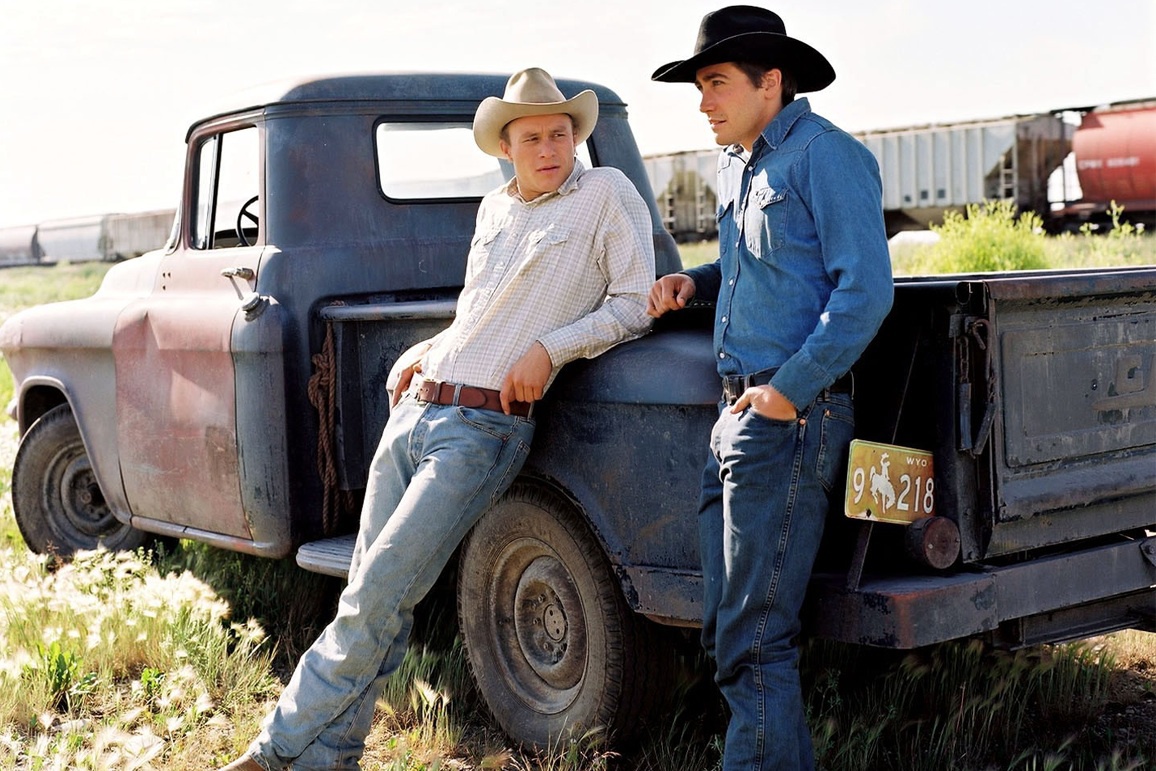 Media representation has played a lot into the stereotypes mentioned above. There were certainly movies where there was mocking and bullying of LGBTQ characters, as well as homophobic jokes. However, even when there were more positive roles in media representation, there was not much nuance, at least in mainstream media. The portrayal was often playing right into the stereotypes that were mentioned above. Brokeback Mountain was a landmark because it was an Oscar-nominated film centered on a homosexual relationship. Since then, I feel like it has become increasingly common to have LGBTQ characters, especially as protagonists, and that their characters have been written and played with increased nuance.
As a teacher, I hope that, if nothing else, I can help my students feel that there is a safe place for them to be authentic and honest about who they feel they truly are. I can be conscious of the language I use and my students use and promote a place that does not mock a particular community for their choices.
Sources:
https://en.wikipedia.org/wiki/LGBT
https://en.wikipedia.org/wiki/Third_gender

